
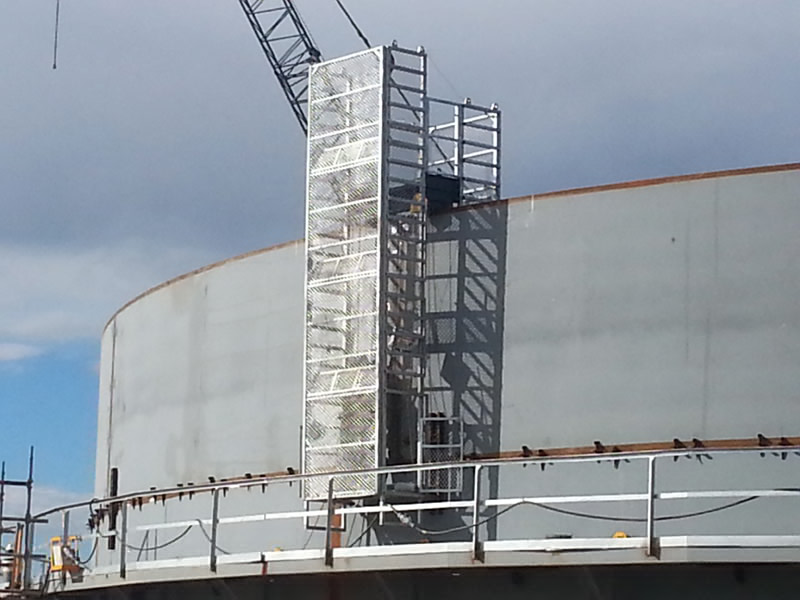
Constructing tanks, whether for industrial storage, water treatment, or fuel containment, requires precision, efficiency, and safety. One tool that has increasingly become essential in this process is the shell buggy. By simplifying the movement and handling of heavy materials, a shell buggy can significantly improve the workflow of tank construction projects, reducing time and labor while enhancing overall project quality.
Understanding the Role of a Shell Buggy
A shell buggy is a specialized piece of equipment designed to transport and position large, heavy shell sections during tank assembly. In tank construction, these shell sections are often massive and cumbersome, making manual handling inefficient and risky. By using a shell buggy, construction teams can move these components quickly and safely, minimizing delays caused by manual labor or the need for multiple forklifts and cranes.
The shell buggy’s design typically includes heavy-duty wheels, a robust frame, and adjustable supports that stabilize the load. This allows construction workers to maneuver the shell sections with precision, ensuring that each piece aligns correctly with the existing structure. Proper alignment is critical in tank construction, as even minor errors can compromise the tank’s integrity and lead to costly rework.
Enhancing Efficiency on Site
One of the key benefits of using a shell buggy is the improvement in overall efficiency. Traditional methods of handling large tank sections involve multiple workers, cranes, and temporary scaffolding, all of which consume significant time and resources. A shell buggy reduces these requirements by allowing a single operator to move and position heavy materials safely and accurately.
With faster movement of materials, construction schedules can be maintained or even accelerated. Projects that may have taken weeks to align and assemble manually can now be completed in a shorter timeframe. This efficiency not only saves time but also reduces labor costs, making the project more cost-effective overall.
Improving Safety Standards
Safety is a major concern in any construction project, especially when dealing with heavy steel or reinforced shell sections. Manual handling or poorly coordinated crane operations increase the risk of accidents, which can lead to injuries or delays. The use of a shell buggy significantly mitigates these risks.
By providing a stable platform for transporting and positioning materials, the shell buggy reduces the likelihood of accidents caused by shifting loads or misaligned sections. Its controlled movement helps operators maintain proper posture and avoid overexertion, contributing to a safer work environment. This adherence to safety standards also ensures compliance with industry regulations and reduces liability for construction companies.
Versatility in Various Construction Scenarios
Another advantage of shell buggies is their versatility. They can be used in different types of tank construction projects, whether the tanks are cylindrical, rectangular, or custom-designed. The adjustable supports and maneuverable design allow the equipment to handle varying shell sizes and weights, making it suitable for diverse industrial applications.
Additionally, shell buggies are often compatible with other construction machinery, such as cranes or hoists. This compatibility enables a seamless integration of tools on-site, further streamlining the construction process and allowing teams to adapt quickly to changes in project requirements.
Reducing Material Damage
Handling heavy tank shells without proper equipment can lead to material damage, such as dents, scratches, or misalignments. A shell buggy helps prevent these issues by providing a stable and secure method of transport. The controlled movement and support system ensure that the shell sections remain intact, preserving the quality and integrity of the tank structure. Reducing material damage also means fewer replacements and less downtime, which contributes to the overall cost savings of the project.
Conclusion
In modern tank construction projects, efficiency, safety, and precision are paramount. A shell buggy addresses these needs by providing a reliable solution for transporting and positioning heavy shell sections. By enhancing efficiency, improving safety standards, offering versatility, and reducing material damage, the shell buggy streamlines the construction process and supports the successful completion of tank projects. Investing in this equipment allows construction teams to achieve better outcomes, faster timelines, and safer work environments, making it an indispensable tool in today’s industrial landscape.